Which Pan is Right for You?
A complete guide to choosing between stainless steel, non-stick, and carbon steel cookware for your kitchen needs. Updated January 2026.
Choosing the right cookware can transform your cooking experience. Whether you're searing a perfect steak, flipping delicate eggs, or creating complex pan sauces, having the right pan makes all the difference. This comprehensive Misen cookware buying guide will help you understand the unique characteristics of each pan type and make an informed decision for your kitchen.
At Misen, we believe in the professional-grade cookware philosophy: the right tool for the right job. Each pan material—stainless steel, non-stick, and carbon steel—has distinct advantages that make it ideal for specific cooking techniques. Understanding these differences will help you build a versatile cookware collection that elevates your home cooking to restaurant quality.
Understanding Cookware Materials
Each cookware material has unique properties that affect heat distribution, durability, maintenance requirements, and cooking performance. Let's explore the three essential types of cookware every serious home chef should know.
The Everyday Workhorse
Stainless Steel
Best for:
- Searing meats and developing fond
- Browning and deglazing for pan sauces
- High-heat cooking techniques
- Dishwasher-safe convenience
The Verdict
If you only buy one pan, buy this one.
The Egg & Fish Specialist
Non-Stick
Best for:
- Delicate foods like eggs and fish
- Pancakes and French toast
- Low-fat cooking with minimal oil
- Quick cleanup and easy maintenance
Warning
Not for high-heat searing or metal utensils.
The High-Heat Master
Carbon Steel
Best for:
- Steakhouse-quality searing
- Wok-style stir-fries
- High-temperature roasting
- Develops natural non-stick patina
The Trade-off
Requires seasoning and maintenance. Not for lazy cooks.
Deep Dive: Pan Material Comparison
Why Stainless Steel is the Professional's Choice
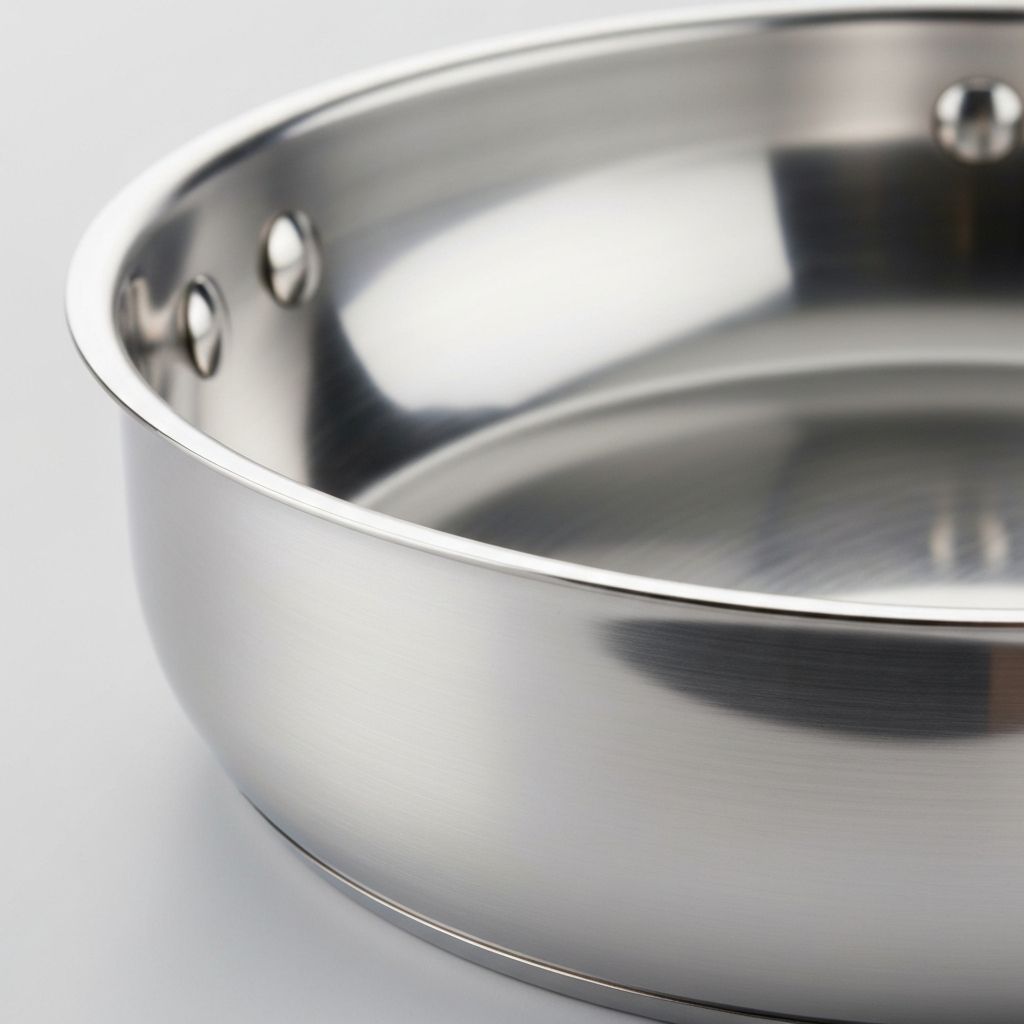
Stainless steel cookware is the backbone of professional kitchens worldwide. The key lies in its multi-ply construction, which sandwiches aluminum or copper cores between stainless steel layers. This design combines the even heating properties of aluminum with the durability and non-reactive nature of stainless steel.
Misen's 5-ply construction ensures superior heat distribution from edge to edge, eliminating hot spots that can burn your food. The stainless steel cooking surface develops a fond—those caramelized bits that form the foundation of incredible pan sauces. Simply deglaze with wine or stock, and you've created restaurant-quality flavor in minutes.
The Science Behind Premium Non-Stick Coatings
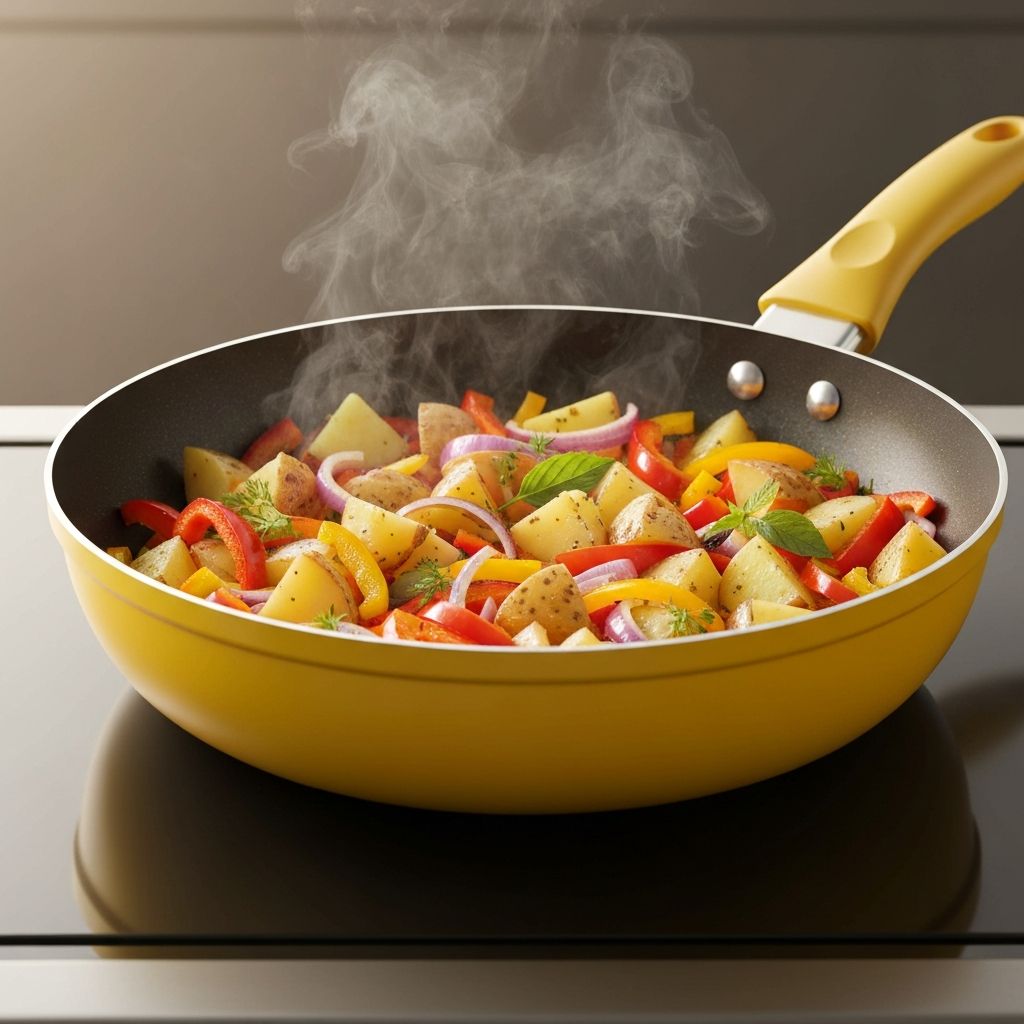
Modern non-stick technology has evolved far beyond the coatings of the past. Misen's 3-layer platinum non-stick coating uses advanced materials that create an ultra-smooth surface, allowing even the most delicate foods to release effortlessly without butter or oil.
The platinum reinforcement in our non-stick pans significantly extends their lifespan compared to standard coatings. While traditional non-stick pans may last 1-2 years, Misen's premium coating maintains its release properties for years with proper care. Perfect for cooking eggs, fish, and pancakes without the frustration of sticking or tearing.
Important note: Non-stick pans excel at low to medium heat cooking. Using them at high temperatures can damage the coating and reduce longevity. For high-heat searing, reach for stainless steel or carbon steel instead.
Carbon Steel: The Secret Weapon of Professional Chefs
Carbon steel pans are the unsung heroes of professional kitchens. Made from 99% iron and 1% carbon, these pans combine the best qualities of cast iron and stainless steel: they heat quickly like stainless steel but develop a natural non-stick patina like cast iron—all while being significantly lighter than both.
When properly seasoned, a carbon steel pan develops a dark, slick surface that rivals non-stick cookware for eggs and fish, yet can withstand the extreme temperatures needed for perfect steakhouse-style searing. This versatility makes carbon steel invaluable for serious cooks who want one pan that can do it all.
The trade-off? Carbon steel requires maintenance. You'll need to season it regularly, hand-wash only, and dry it immediately to prevent rust. Think of it like a cast iron skillet that's lighter and heats more evenly—worth the extra care for those who appreciate exceptional cooking performance.
Quick Reference Table
| Pan Type | Heat Tolerance | Dishwasher Safe | Weight | Best For |
|---|---|---|---|---|
| Stainless Steel | Very High | Medium-Heavy | Searing, sauces, everyday cooking | |
| Non-Stick | Low-Medium | Light | Eggs, fish, delicate foods | |
| Carbon Steel | Very High | Light-Medium | High-heat searing, stir-fries |
Cooking Techniques: Which Pan to Choose
The right cookware transforms challenging techniques into consistent successes. Here's how to match your pan to your cooking method for optimal results every time.
Searing & Browning
High heat creates the Maillard reaction—that golden-brown crust that adds incredible flavor.
Pan Sauces
Deglazing fond (browned bits) with wine or stock creates restaurant-quality sauces.
Delicate Fish
Fish skin should release cleanly without tearing or sticking to the pan surface.
Perfect Eggs
From scrambled to over-easy, eggs demand a surface that releases effortlessly.
Stir-Frying
High heat and constant movement require a lightweight, responsive pan.
Oven Finishing
Starting on stovetop and finishing in oven requires oven-safe construction.
Care & Maintenance Guide
Proper care ensures your Misen cookware performs beautifully for decades. Here's how to maintain each pan type for maximum longevity and optimal cooking performance.
Stainless Steel Maintenance
Easiest to maintain, most forgiving
Daily Care
- Dishwasher safe for easy cleanup
- Hand wash with dish soap and warm water preferred
- Use Bar Keeper's Friend for stubborn stains
- Safe with metal utensils and abrasive scrubbers
Pro Tips
- Preheat pan gradually for even heating
- Add oil after preheating, not before
- Let food release naturally—it will when ready
- Rainbow discoloration is normal and harmless
Non-Stick Maintenance
Gentle care extends coating life
Daily Care
- Hand wash only with soft sponge
- Use wooden, silicone, or plastic utensils
- Avoid cooking spray (causes sticky buildup)
- Never use abrasive cleaners or steel wool
Pro Tips
- Keep heat at low to medium (never high)
- Small amount of butter/oil enhances performance
- Let pan cool before washing (prevents warping)
- Store with paper towel between pans
Carbon Steel Maintenance
Requires dedication, rewards with performance
Daily Care
- Hand wash only, no dishwasher
- Dry immediately to prevent rust
- Apply thin layer of oil after each use
- Season regularly to build patina
Pro Tips
- Dark patina is good—don't scrub it off
- Small rust spots can be scrubbed and re-seasoned
- Use high heat—carbon steel loves it
- Avoid acidic foods until well-seasoned
Expert Buying Tips
For Beginners
Start with a 10-inch or 12-inch stainless steel pan. It's the most versatile option and will handle 90% of your cooking tasks. Add a non-stick pan later for eggs and fish.
For Serious Cooks
Invest in all three types. Use stainless steel as your workhorse, non-stick for delicate foods, and carbon steel when you need restaurant-quality searing power.
Size Matters
A 10-inch pan is ideal for 2-3 people, while a 12-inch pan works better for families of 4+. Larger pans provide more surface area for even browning and prevent overcrowding.
Construction Quality
Look for 5-ply construction in stainless steel pans, 3-layer platinum coating for non-stick, and proper thickness in carbon steel. Quality construction ensures even heating and longevity.
Common Cookware Mistakes to Avoid
Even quality cookware can underperform if used incorrectly. Avoid these common pitfalls to get the best results from your Misen pans.
Not Preheating Properly
Adding food to a cold pan causes sticking and uneven cooking. Always preheat stainless steel and carbon steel pans over medium heat for 2-3 minutes before adding oil or food.
Using High Heat with Non-Stick
High temperatures damage non-stick coatings and can release harmful fumes. Keep non-stick pans at low to medium heat—they don't need high heat to perform well.
Overcrowding the Pan
Too much food in one pan drops the temperature and causes steaming instead of searing. Leave space between pieces for proper browning and caramelization.
Moving Food Too Soon
Food releases naturally when properly seared. If it's sticking, it's not ready to flip. Be patient—forcing it tears the surface and prevents proper browning.
Wrong Utensils for the Job
Metal utensils scratch non-stick coatings. Use silicone, wood, or plastic instead. Conversely, stainless steel and carbon steel are fine with metal—use what works best.
Thermal Shock
Running cold water over a hot pan can cause warping. Always let cookware cool naturally before washing, or use warm (not cold) water if you must wash immediately.
Ready to upgrade your kitchen?
Every Misen pan comes with a lifetime warranty and 60-day risk-free trial. Find your perfect cookware today.
Shop All Cookware